Pakistan accused of spreading false narrative on Nepal protests
How Pakistan is fueling disinformation around Nepal’s protests against India
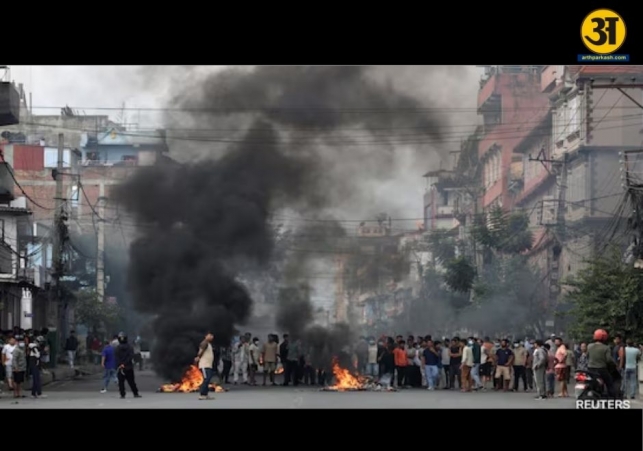
Nepal recently saw violent protests after the government decided to ban certain social media platforms. While these protests were mainly about domestic issues such as corruption, nepotism, and high unemployment, they quickly became a target for online disinformation. Investigations show that Pakistan-based social media accounts tried to hijack the story, blaming India and presenting it as the main destabilising force in South Asia.
This is an example of how digital propaganda can cross borders. Real issues, like unemployment or government failures, are often turned into political tools to push a narrative that benefits a foreign country. By studying the actors and methods behind these campaigns, we can see why Nepal was chosen and what the broader impact is on the region.
The first wave of misleading posts came from Pakistani social media accounts, not from Nepal. They claimed India was using fake Nepali accounts to stir unrest and punish Nepal for engaging with China’s President Xi Jinping. These posts painted India as a consistent troublemaker, referring to past situations in Sri Lanka, Maldives, and Bangladesh.
The campaign followed a familiar playbook:
-
Initial trigger posts: Accounts like Ahmad Hassan Al-Arbi, a self-described defence analyst, began blaming India. He had previously accused India of false flag operations.
-
Amplification: Small posts were picked up by larger accounts with thousands of followers, increasing visibility.
-
Media recycling: Some news outlets, like Kashmir Media Service, published these claims as news, quoting the same Pakistani accounts.
-
Repeated claims: Known disinformation accounts such as @iMustansarPK and @Fizz_Urooj recycled old false stories to strengthen the new narrative.
-
Hashtags: Terms like “India = Net Destabiliser” spread widely between September 4 and 9, targeting both global audiences and regional users in Pakistan.
Several types of accounts were involved: semi-automated cyborg accounts that created fake trends, medium and large amplifier accounts spreading messages further, and legacy accounts that had previously promoted Pakistan’s cyber campaigns. Together, they made a story that started small seem widely accepted online.
Why Nepal and the regional impact
Nepal was an attractive target for several reasons. Its location between India and China makes it sensitive to stories about “great power interference.” Anti-India sentiment has appeared before, especially during border disputes and trade issues, making the public more likely to believe fabricated stories. The country’s domestic challenges, such as high youth unemployment and corruption, also made foreign interference claims more persuasive.
For Pakistan, targeting Nepal is part of a larger strategy to influence South Asia. By framing India as a destabiliser, Pakistan aims to isolate India diplomatically, distract from its own domestic problems, and weaken trust between India and its neighbors.
However, the campaign is harmful to Nepal itself. It shifts attention from real grievances, weakening the credibility of protesters’ demands and polarising society around false claims. The protests reflect dissatisfaction with Nepal’s governance, not India’s actions. Yet, Pakistan’s disinformation machinery has turned the issue into a geopolitical story, exploiting existing tensions and amplifying them online.
ALSO READ: Plant-based diet linked to lower risk of heart attack and cancer
This situation shows how online propaganda can quickly reshape perceptions. In just eight days, a coordinated narrative emerged, spreading widely and gaining traction. Policymakers, media platforms, and civil society face the challenge of countering such disinformation before it becomes “common knowledge.”
For South Asia, the episode highlights the growing danger of information warfare. Countries must develop collective strategies to respond to digital campaigns that exploit domestic problems and regional sensitivities. Only by exposing and countering these false narratives can real issues, like corruption and unemployment, remain in focus for citizens.
In conclusion, while Nepal’s protests were about domestic concerns, they were exploited by external forces to target India’s image. Understanding how such campaigns work and why countries like Nepal are chosen is essential. Addressing both the real grievances and the disinformation surrounding them is crucial to maintaining stability and trust in the region.
Related News